
From Ban to Buzz: Media Narratives about Basant 2026 revival in Lahore
Explore how media narratives changed Basant's image from a banned festival to a celebrated cultural event in Lahore 2026. Discover the impact of storytelling, social media buzz, safety regulations, and local pride in reviving this cherished kite-flying tradition.
COMMUNICATION
2/16/20262 min read
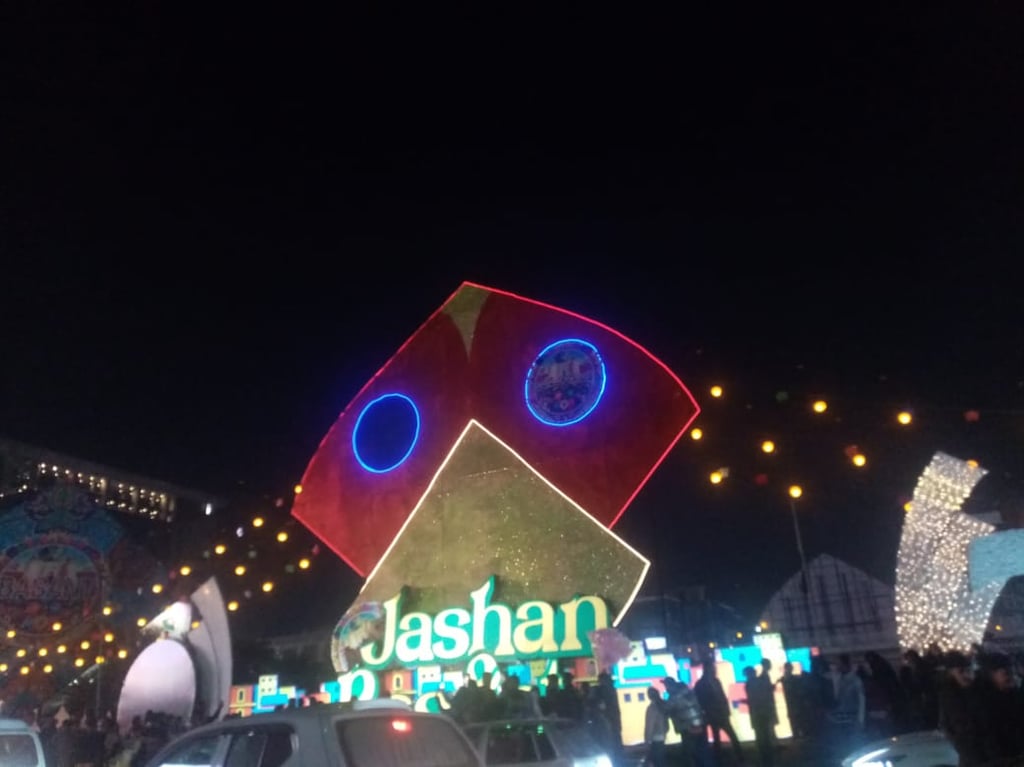
From Ban to Buzz: Media Narratives about Basant 2026 revival in Lahore
In February 2026, Lahore once again witnessed the vibrant spectacle of Basant, the beloved kite‑flying festival that paints the city’s skyline in radiant hues of spring. After nearly two decades of being banned due to safety concerns, this cultural tradition made a triumphant return — and media narratives played a pivotal role in turning public sentiment from fear to festivity.
For years, Basant was synonymous with dazzling rooftops, colourful kites, and Lahore’s audacious celebration of spring. However, safety issues tied to razor‑sharp strings — particularly injuries to motorcyclists — led authorities to impose a prolonged ban. Locals nostalgic for the sounds, colours, and communal energy of Basant longed for its return.
How Media Sparked the Revival
The road to Basant’s revival wasn’t just political — it was deeply cultural, influenced by how news outlets, social platforms, and lifestyle media reshaped the narrative:
1. Reclaiming Cultural Identity Through Stories
Media coverage focused on Basant’s heritage — as more than just kite flying, but a symbol of Lahore’s identity. Feature articles, nostalgia pieces, and op‑eds reminded audiences why areas like Androon Lahore once emptied their rooftops for Basant joy.
By highlighting stories of families, artists, and kite‑flying veterans, journalists revived public affection and bridged generational memories with modern curiosity.
2. Highlighting Responsible Revival
News outlets balanced enthusiasm with safety reporting. While colorful photos and videos went viral, transcripts also explained new regulatory measures — including prohibitions on hazardous materials, QR codes for kite tracking, and designated kite flying days.
This responsible reporting helped frame Basant not as reckless risk but as a regulated cultural celebration — reassuring many who were previously hesitant due to safety concerns.
3. Social Media Buzz and Youth Engagement
Platforms like X, Instagram, TikTok, and Facebook exploded with Basant‑themed content leading up to the festival. Influencers shared kite‑making tips, safety reminders, and vivid rooftop views, creating a digital Basant buzz that transcended age groups.
This online enthusiasm helped younger generations — many of whom had never seen Basant in person — connect emotionally with the festival before its physical comeback.
4. News Events and Official Coverage
Major news agencies covered the festival’s official return extensively: from kite markets at Mochi Gate bursting with activity to rooftops bathed in yellow and colour as families gathered. Media also amplified statements from political figures encouraging safe celebrations, giving legitimacy and urgency to the event’s revival.
The Outcome: A City Celebrates Again
Thanks to strategic and balanced media narratives, Basant’s comeback was both joyful and measured. The festival did more than fill Lahore’s skies with kites — it reignited cultural pride, boosted local businesses, and transformed a once‑contested tradition into a symbol of responsible heritage celebration.
Even visitors from across Pakistan and abroad felt drawn to Lahore’s rooftops, markets, and alleys, capturing a renewed sense of communal joy. The coverage detailed everything from festivities to challenges, ensuring that Basant’s restoration was understood in full context — from ban to buzz.
© 2026 Copyright Amna Sadaf