
Why Basant 2026 Dominated Media Headlines in Lahore After Years of Absence
Explore the cultural revival of Basant 2026 in Lahore, examining how its visual appeal and digital buzz transformed it into a major media moment after years of absence. Discover the reasons behind its impact on media headlines.
COMMUNICATION
2/13/20262 min read
Why Basant 2026 Dominated Media Headlines in Lahore After Years of Absence
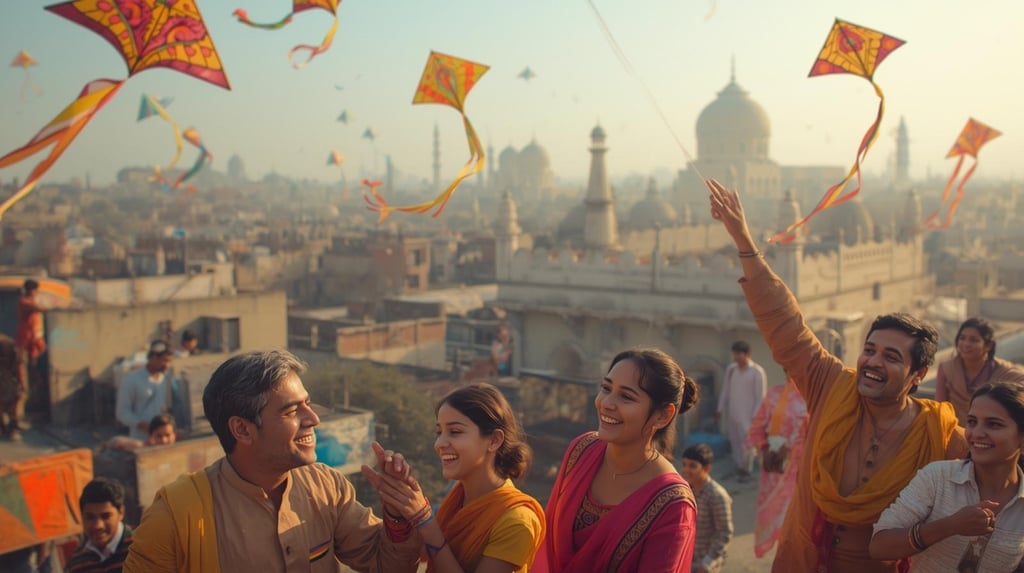
After years of silence in Lahore’s skies, Basant 2026 made a dramatic return — and instantly became one of the most covered cultural events in Pakistan. Newspapers, TV channels, digital platforms, and social media feeds were filled with images of colorful kites, crowded rooftops, and springtime celebrations.
But why did Basant 2026 dominate media headlines so powerfully after such a long absence? The answer lies in a unique combination of nostalgia, media strategy, public curiosity, and cultural timing.
The Long Absence That Built Curiosity
For nearly two decades, Basant existed only in memories, old photographs, and conversations about Lahore’s cultural past. Its prolonged absence turned the festival into a forbidden tradition, increasing public curiosity with every passing year.
When news broke that Basant would return in 2026, media outlets immediately recognized its high emotional and cultural value. The gap created by years of absence made the comeback newsworthy even before the festival began.
Media’s Obsession with Cultural Revival Stories
Media thrives on stories of revival, and Basant 2026 offered the perfect narrative. Headlines focused on themes such as:
Tradition making a comeback
Cultural identity being reclaimed
A city reconnecting with its roots
Instead of presenting Basant merely as a kite-flying event, coverage framed it as a symbol of Lahore’s resilience and cultural continuity, making it irresistible for both journalists and audiences.
Visual Power That Ruled News and Social Platforms
One major reason Basant 2026 dominated headlines was its visual appeal. Colorful kites against blue skies, yellow outfits, decorated rooftops, and lively street scenes created highly shareable content.
Television bulletins, Instagram reels, YouTube shorts, and news thumbnails all benefited from Basant’s striking visuals — turning the festival into a media favorite that naturally attracted clicks, views, and shares.
Digital Media and Real-Time Buzz
Unlike the past, Basant 2026 unfolded in a digitally connected Lahore. Live updates, short videos, trending hashtags, and user-generated content kept the festival in constant circulation online.
As people shared their own experiences, media outlets amplified this buzz, creating a loop where public excitement and media coverage fueled each other. This real-time engagement ensured Basant stayed in headlines throughout the season.
A Festival That Sparked Public Debate
Basant’s return didn’t just generate celebration — it sparked discussion. Talk shows, opinion columns, and online debates explored questions of safety, regulation, cultural preservation, and urban responsibility.
This mix of celebration and critical discussion gave media outlets multiple angles to cover, extending Basant’s presence in headlines beyond a single news cycle.
Why Basant 2026 Became Unavoidable in the Media
Basant 2026 dominated Lahore’s media landscape because it checked every box journalists look for:
Emotional connection
Cultural relevance
Strong visuals
Public engagement
Debate-worthy impact
The festival’s return wasn’t just an event — it became a city-wide moment, and the media reflected that significance.
Conclusion: More Than a Festival, a Media Moment
Basant 2026 proved that cultural events don’t fade — they wait for the right moment to return. After years of absence, Basant re-emerged as a powerful symbol of Lahore’s identity, curiosity, and celebration.
That is why it didn’t just return quietly — it dominated headlines, conversations, and screens, reminding everyone that culture, once revived, can capture attention like nothing else.
© 2026 Copyright Amna Sadaf