
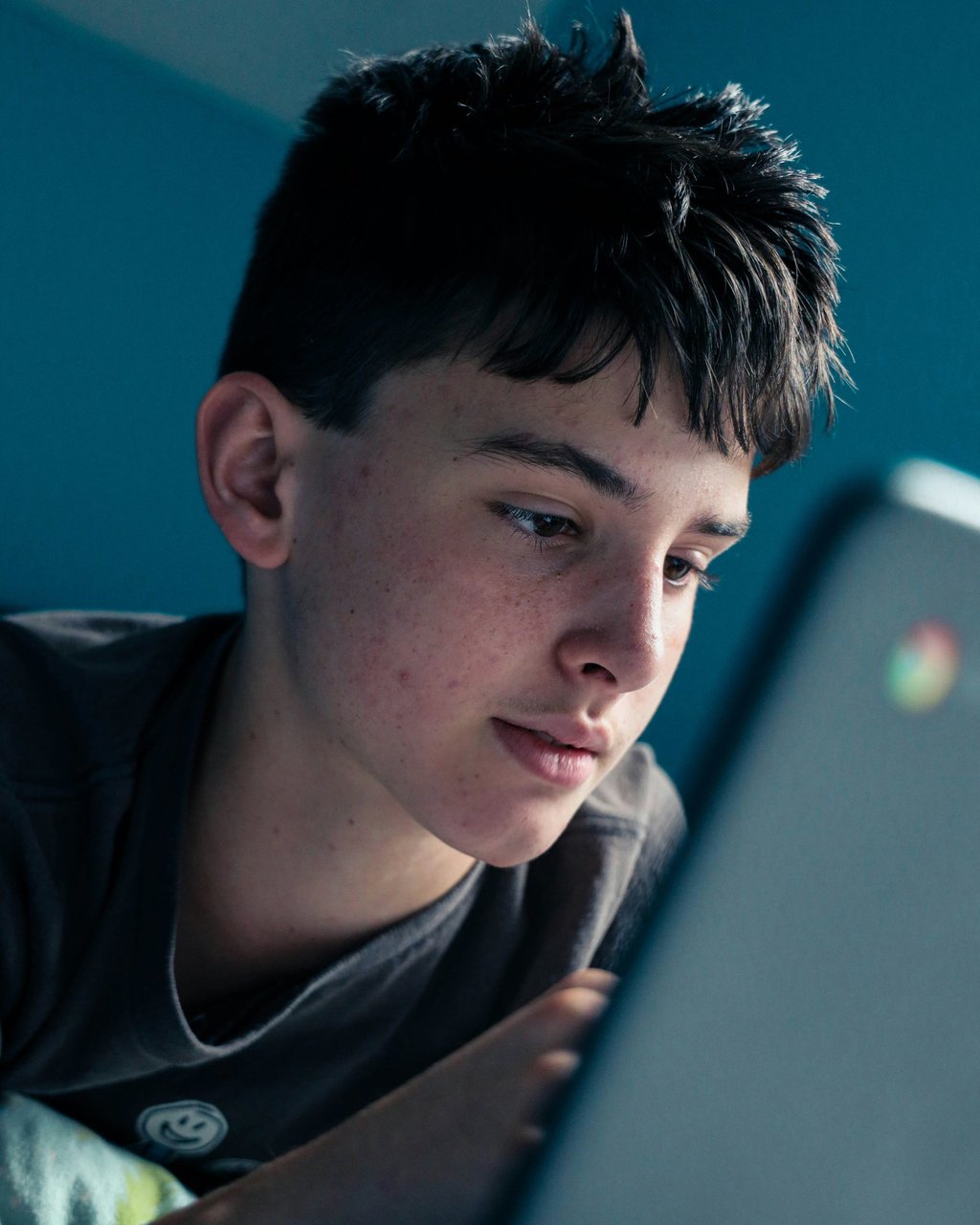

Social media has transformed how people communicate, learn, and connect. While it offers many benefits like education, entertainment, and networking, it can also be misused to influence and exploit vulnerable users, especially children and teenagers.
Across the world, there have been cases where young individuals were influenced through online platforms toward harmful ideologies or criminal activity. One example from Pakistan shows how online spaces, combined with emotional manipulation and lack of awareness, can become dangerous. This issue is global and highlights the importance of child online safety.
A Case from Pakistan: An Example of a Wider Issue
In December 2025, authorities in Pakistan identified a case where a young girl was manipulated through social media interactions linked to extremist networks. Emotional persuasion and online grooming were used to influence her actions. Timely intervention prevented harm, but the incident illustrates how easily young minds can be targeted online.
How Social Media Can Be Exploited
Groups with harmful intentions use social media because it allows direct access to users without physical contact. The process is often subtle and psychological.


Common tactics include:
Building emotional connections through friendly conversations
Exploiting loneliness or identity confusion
Sharing misleading or emotionally charged narratives
Gradually normalizing harmful ideologies
Encouraging secrecy and distancing from family


Global Examples of Online Influence
This problem is not limited to one country:
In Europe, teenagers have been influenced through extremist forums and encrypted apps.
In South Asia, social media is used to recruit minors into violent or illegal networks.
In North America, individuals have been motivated solely by online propaganda.
In Latin America, criminal groups lure children using false promises of wealth or status.
Why Children Are Vulnerable Online
Children are often targeted because:
Critical thinking skills are still developing
They spend significant time online
They seek belonging and identity
They lack digital and media literacy
Without proper guidance, distinguishing fact from manipulation is difficult.
How Countries Are Responding
Australia’s Age-Based Social Media Restrictions
Children under 16 are prohibited from using social media in Australia. Platforms must uphold these restrictions and shield minors from offensive content.
Other Global Measures
Other strategies include:
Integrating media literacy education in schools
Strengthening content moderation and online safety laws
Promoting parental awareness and involvement
Enhancing age verification and reporting systems
Role of Parents, Educators, and Society
Online safety is a shared responsibility:
Parents: Communicate openly about social media use
Educators: Teach critical thinking and media literacy
Media Platforms: Prioritize safety over engagement metrics
Society: Recognize digital threats as serious
Empowering youth with knowledge is more effective than fear-based restrictions.
Conclusion
Risk emerges not from social media platforms, but from unsafe and unregulated usage. Cases like Pakistan’s, along with global examples, show the importance of digital education, responsible communication, and proper regulation. A combination of digital awareness, responsible parenting, and structured safety frameworks can greatly reduce online risks for children and teenagers.