
Mass Media as a Socialization Agent
Discover how mass media influences socialization by shaping values, norms, and behavior in modern society. Explore its mechanisms, positive effects, and the risks involved in the digital age.
COMMUNICATION
12/6/20254 min read
Mass media as an agent of socialization
In our rapidly evolving world, the role of mass media in shaping how individuals learn, adopt and internalize societal norms cannot be overstated. As an agent of socialization, mass media plays a complex and powerful part in guiding our beliefs, behaviours and identity. In this article we explore the meaning of mass media as an agent of socialization, examine its mechanisms of influence, evaluate its positive and negative effects, and reflect on the implications for a media-saturated society.
What does it mean by “agent of socialization”?
Socialization is the process by which individuals internalize the beliefs, values, norms and behaviours of the society or group to which they belong. An agent of socialization is any person, group or institution that influences this process. Common agents include family, schools, peers, religion and mass media.
The mass media comprises channels such as television, radio, newspapers, magazines, and the Internet — all capable of reaching large audiences simultaneously.
When we say that mass media is an agent of socialization, we mean that media content plays an active role in transmitting culture, shaping social norms and influencing how individuals perceive themselves and others.


How Mass Media Plays a Role in the Process of Socialization?
There are several mechanisms by which mass media exerts its influence.
Information and knowledge dissemination:
Media exposes individuals to news, global events, cultural products and stories beyond their immediate surroundings. Through this exposure, people learn what is happening in society, what is valued and what is expected.
Cultural transmission of norms and values:
Media content (films, television shows, music, advertisements) presents models of behaviour, rituals, roles (gender, family, work) and communicates implicit messages about what is “normal” or “desirable”.
Identity formation and social role modelling:
Especially in childhood or adolescence, individuals look to media-figures, stars, characters and influencers as role models. These models help shape self-concept, aspirations and the social roles people adopt.
Social and peer-group reinforcement:
Media helps individuals align with peer values or social group norms by providing shared points of reference (popular culture, trending content, memes) and thus fosters collective identity.
Political and civic socialization:
Media plays a major role in informing citizens, shaping political awareness, influencing opinions and reinforcing certain ideologies.


Major Impacts of Mass Media on Socialization
As an agent of socialization, mass media has both positive and potentially harmful impacts.
Positive Outcomes of Media Socialization
It enables individuals to learn about different cultures, ideas and perspectives beyond their immediate environment.
It strengthens connection and communal understanding, particularly in a globalized, digital age.
It supports educational and awareness campaigns (health, environment, rights) via mass reach.
It provides platforms for identity exploration, creativity and new social roles, especially for youth.
Potential risks and negative impacts:
Media can reinforce stereotypes (gender roles, racial and ethnic biases) through selective representation or omission.
It may substitute or weaken more primary socialization agents (family, school) particularly when media consumption is excessive or unmonitored.
It can propagate unrealistic expectations, consumerism, idealized lifestyles or body images which may impact self-esteem and social behaviour.
In the political realm, media can act as an instrument of dominant ideologies, shaping public opinion in ways that favour vested interests.
Why the role of mass media matters today
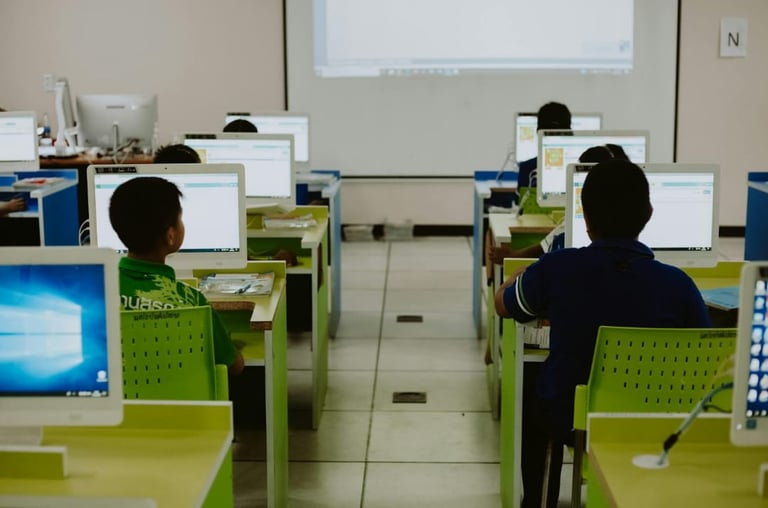
In the digital era, the influence of mass media as an agent of socialization is more pronounced than ever. With smartphones, social networks, streaming platforms and instant connectivity, media content permeates daily life. Individuals of all ages are constantly exposed to images, messages and peer-driven content.
This saturation means that media not only reinforces existing social norms but also has the capacity to change them. New voices, diverse representations and digital communities are altering how socialization occurs — especially among younger generations.
Therefore, understanding mass media’s role is essential for anyone interested in socialization processes, cultural change, education or wellbeing.
Implications for wellbeing, education and social practice
For educationalists, parents, communication professionals and wellbeing advocates, recognizing mass media as an agent of socialization offers several practical implications.
Media literacy becomes vital:
Teaching individuals (especially youth) to critically evaluate media content, question representations and make informed choices about media consumption.
Balancing media influence with other agents:
While mass media is powerful, it should complement rather than replace family, school, community and peer influences.
Curating positive media environments:
Selecting content that aligns with desired values, offering diverse representation and avoiding harmful stereotypes.
Leveraging media for positive socialization:
Using broadcast and digital media for awareness campaigns, values education, civic engagement, identity affirmation.
Monitoring and regulating media’s influence:
At societal level, media governance, ethical standards, and inclusive representation matter in shaping healthy socialization.
Conclusion
In sum, mass media functions as a major agent of socialization by transmitting culture, shaping norms, influencing identities and reinforcing social roles. Its influence is vast and multifaceted: it educates, entertains and socialises simultaneously. Yet, its power must be matched with critical awareness and conscious mediation to ensure that its impacts contribute positively to individual development and social well-being. In an age where media is ever-present, harnessing it thoughtfully can help foster a more informed, inclusive and socially connected society.
© 2026 Copyright Amna Sadaf